Mission Vinyasa 200-Hour Yoga Teacher Training
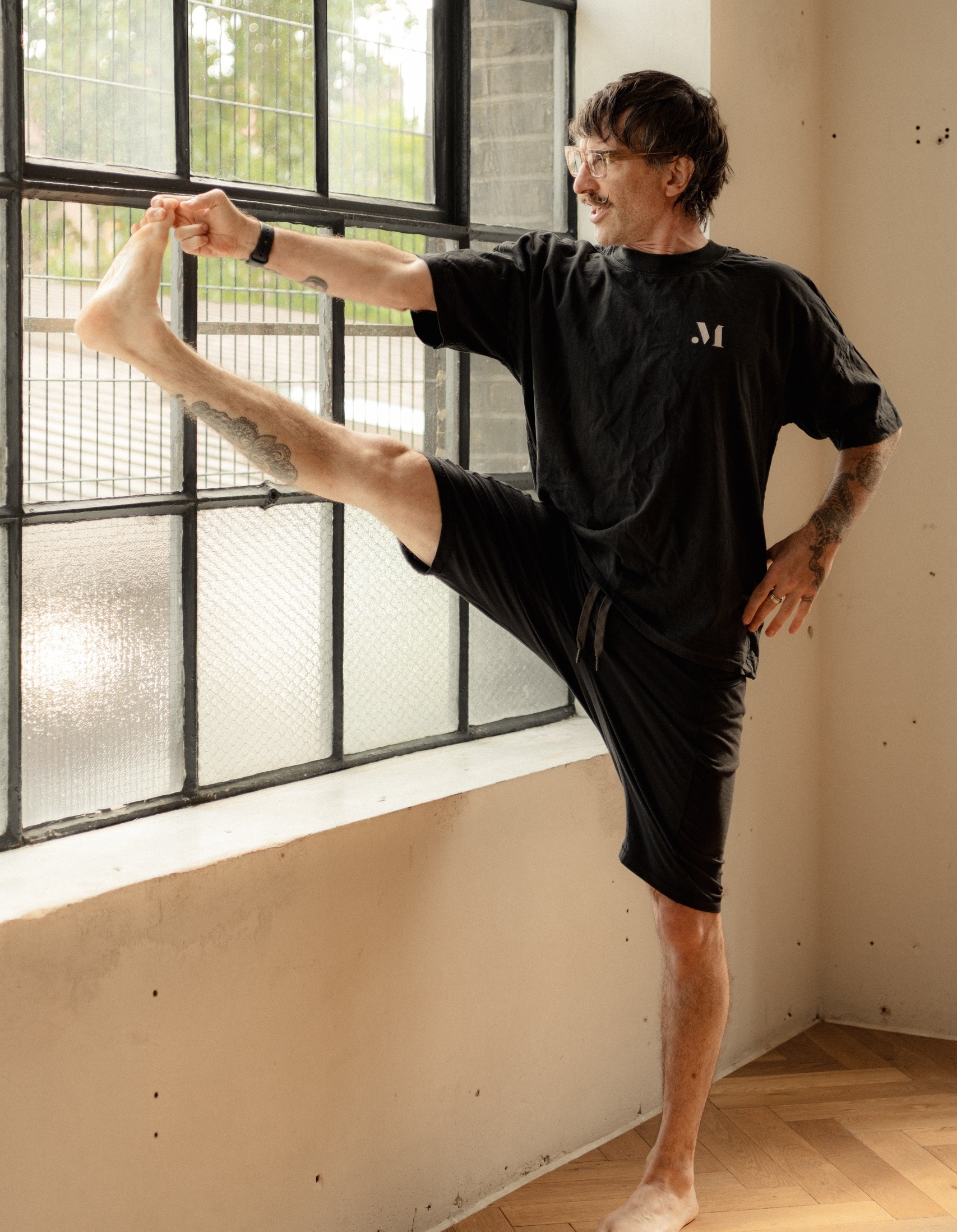
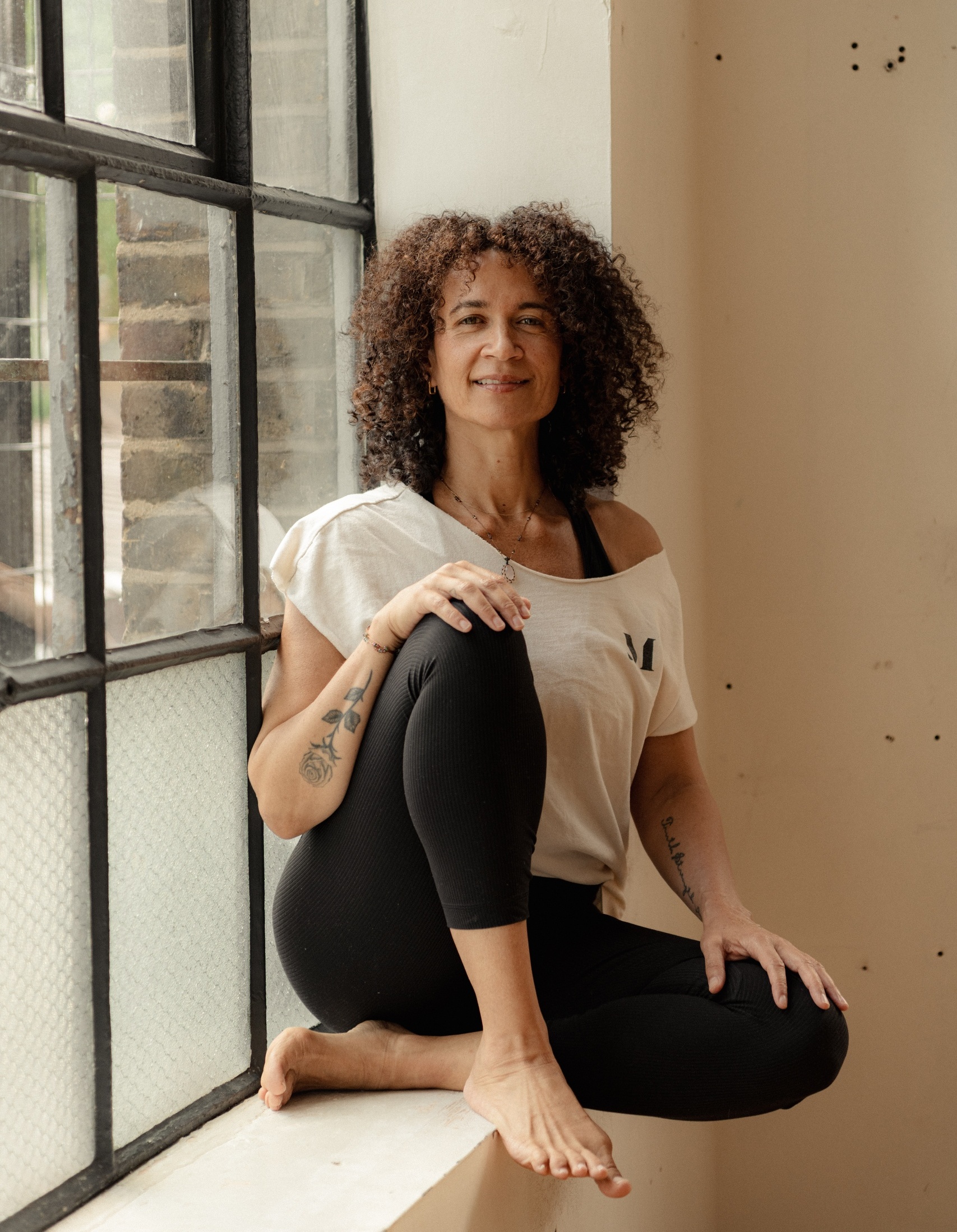
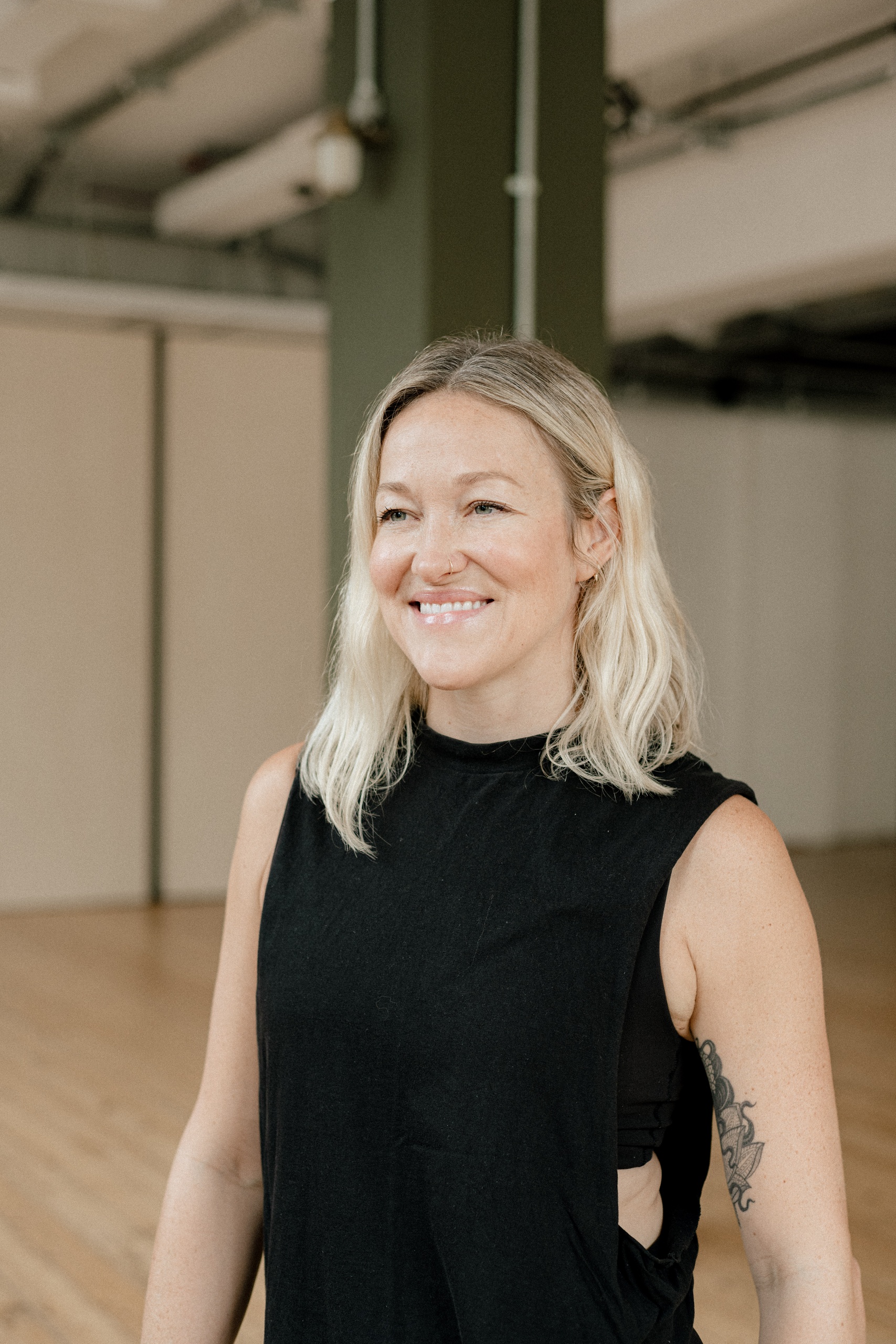
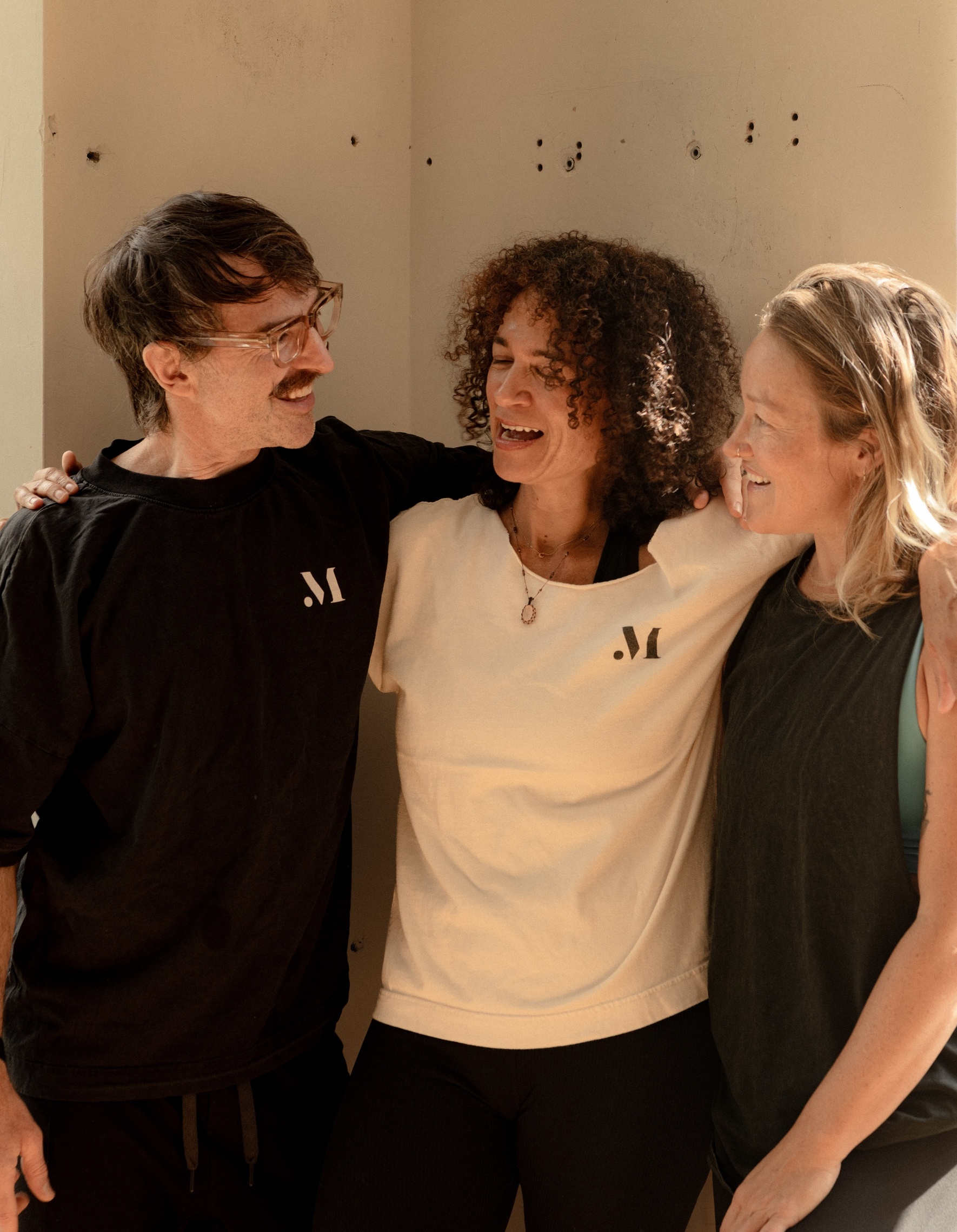
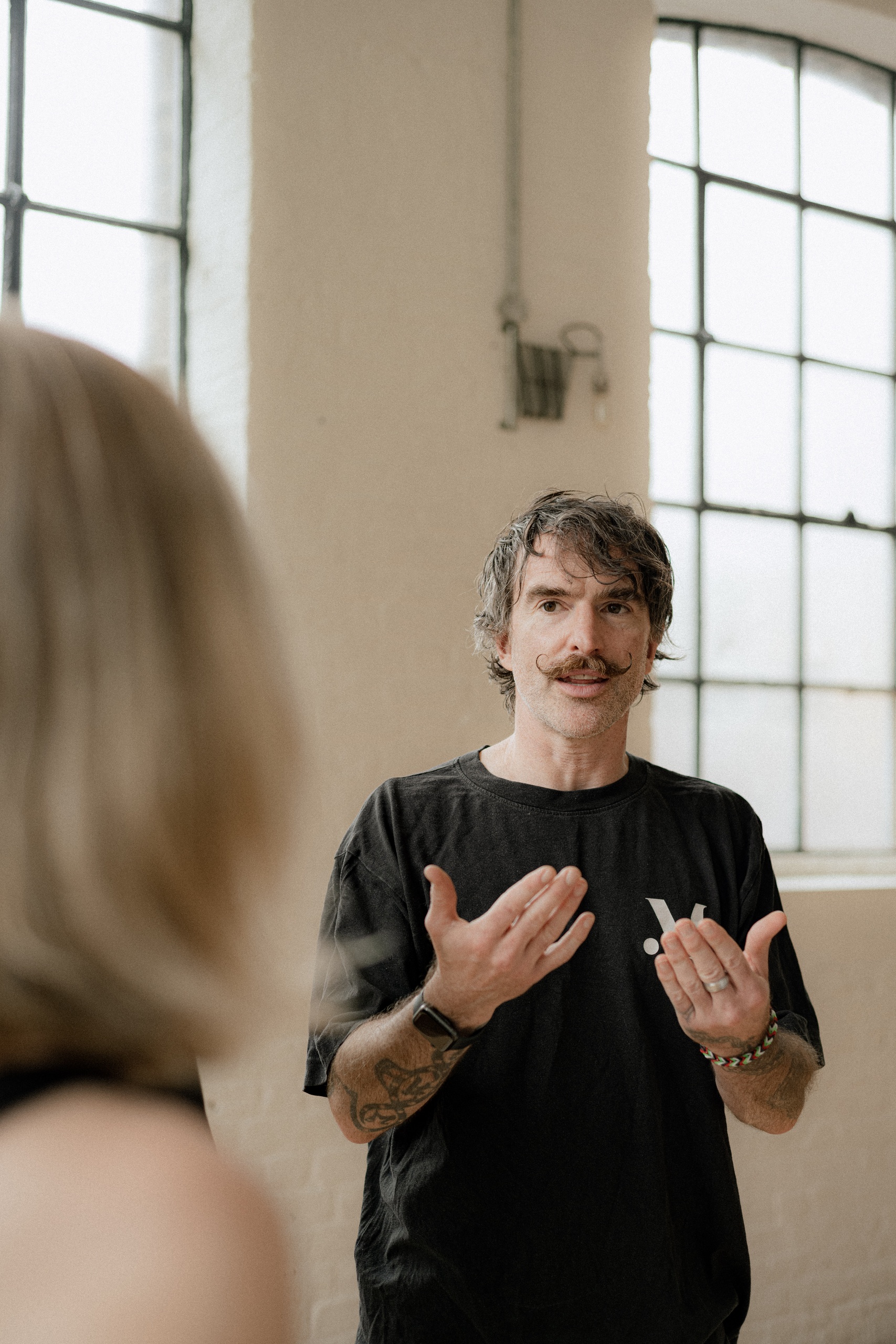
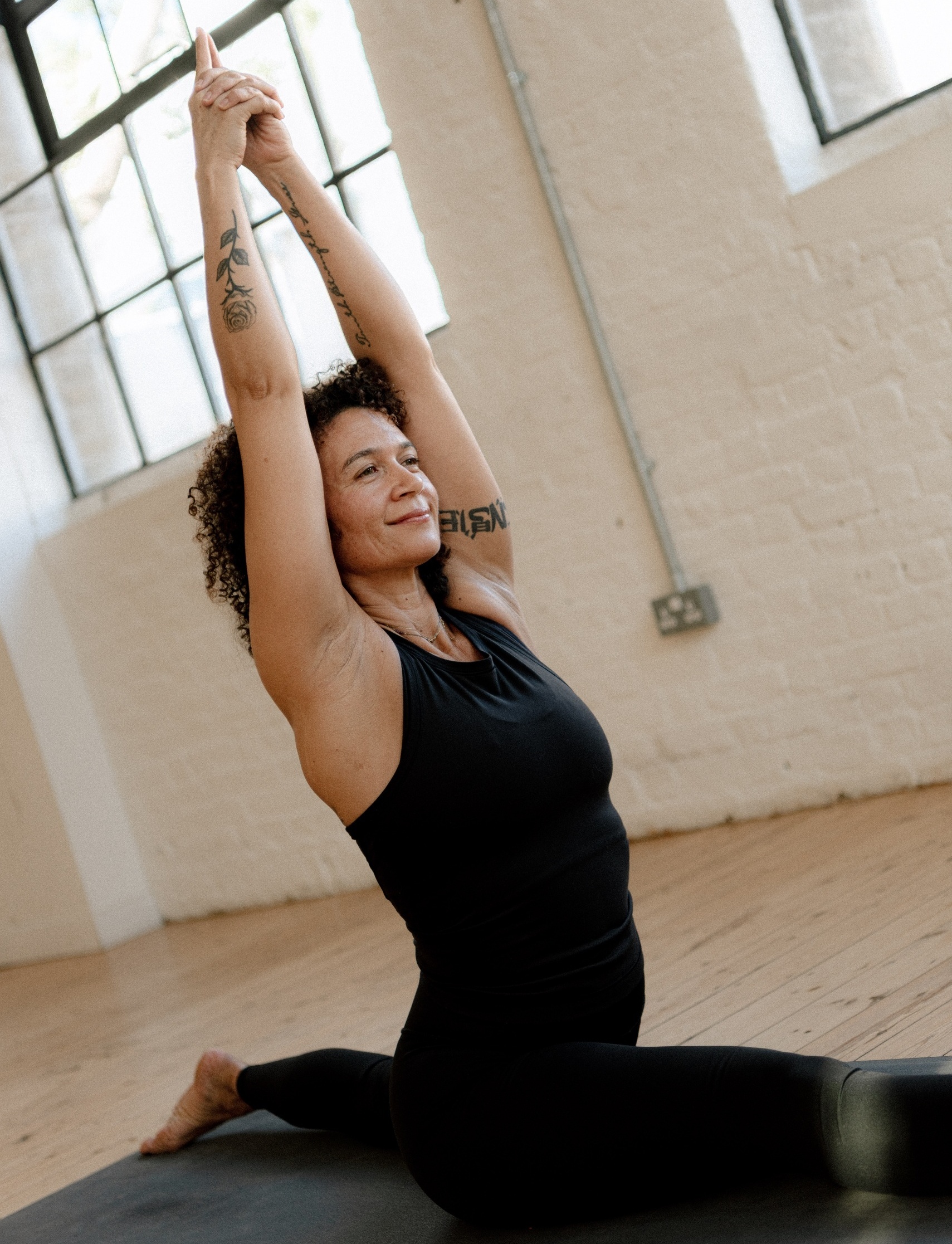
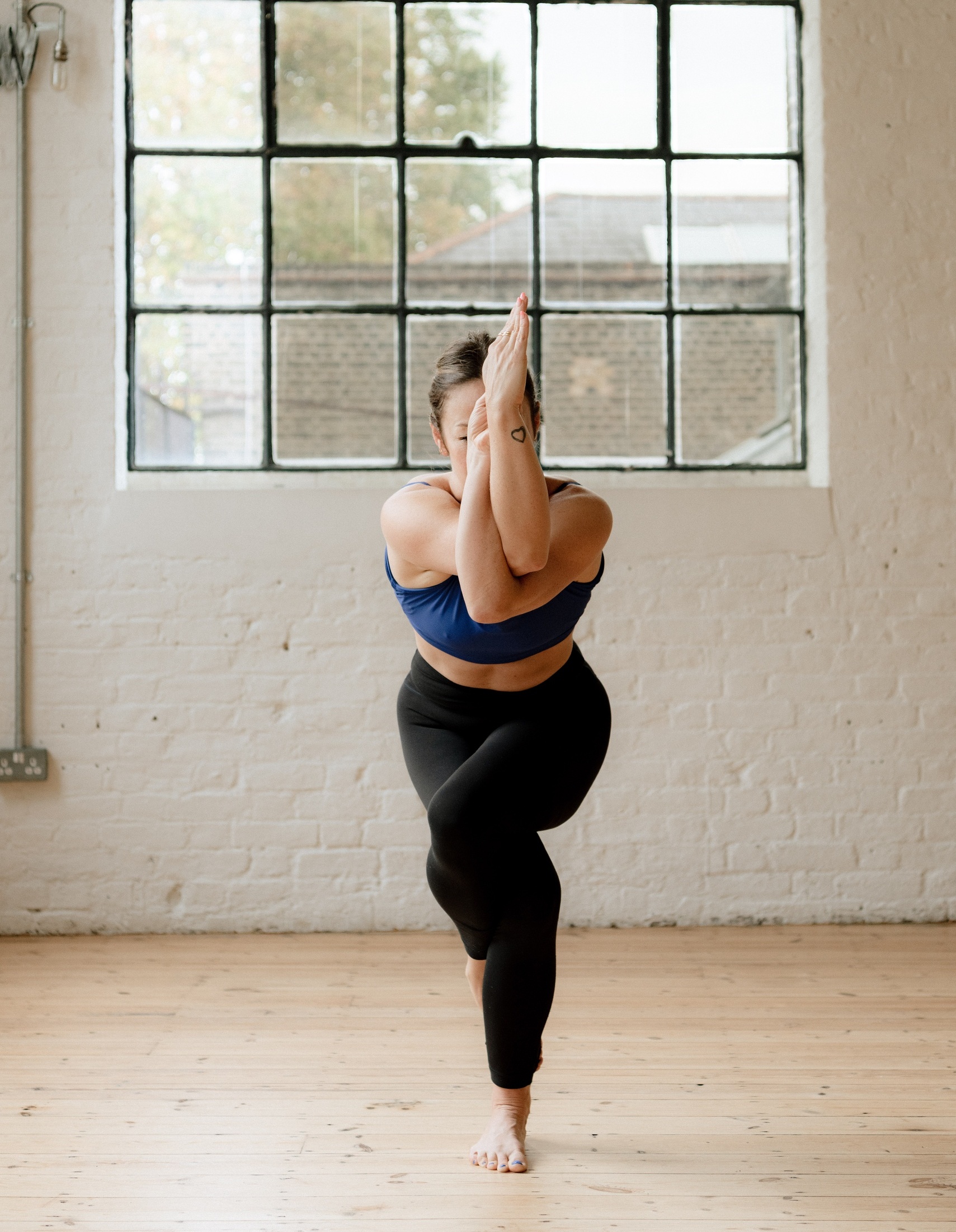
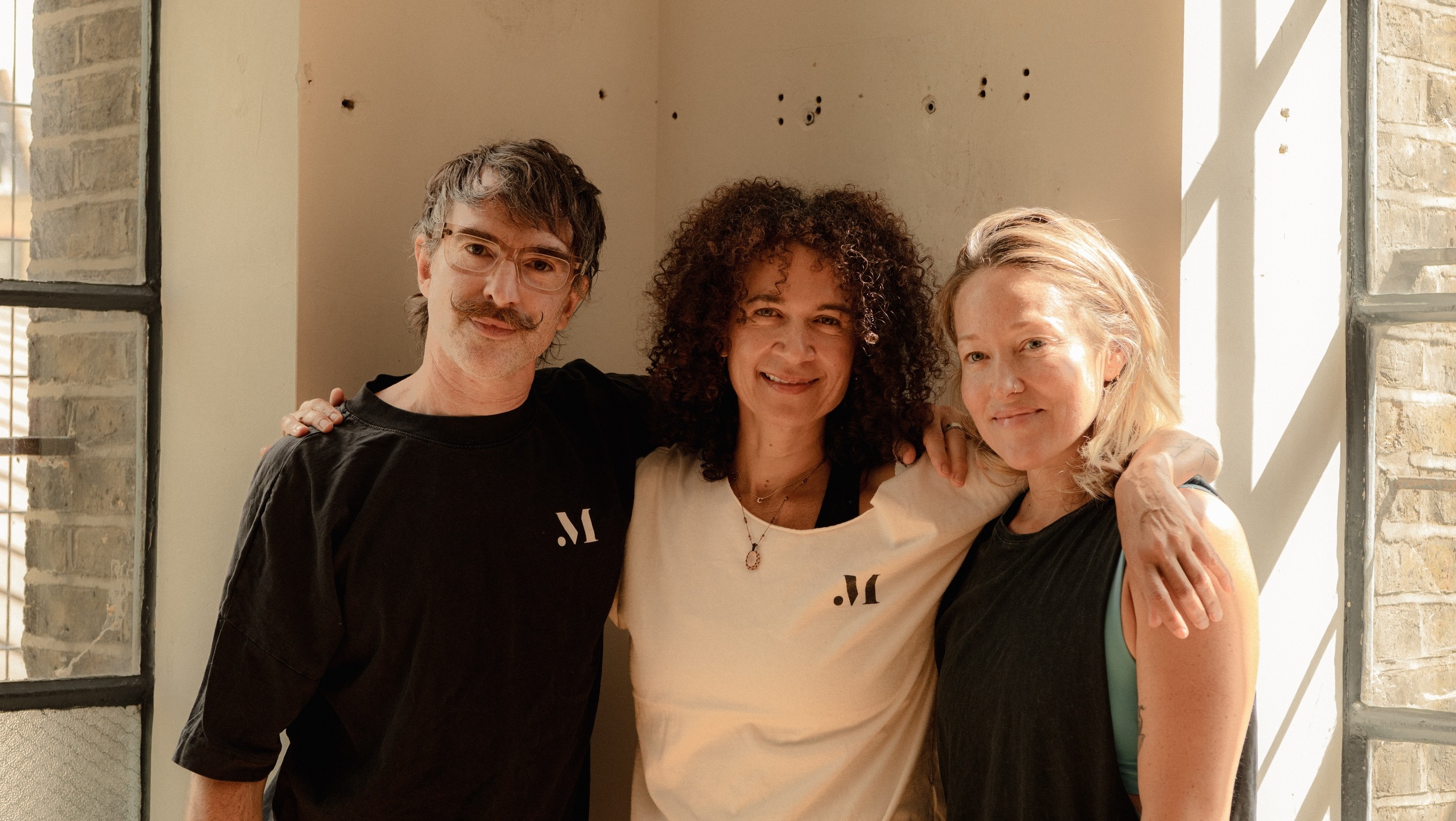
with Marcus Veda, Corrie Ananda & Emily Mergaert
April 12, 2027 – December 5, 2027
£3,500


The Mission Vinyasa 200 is a fully comprehensive, nine-month, 200-hour teacher training designed for anyone who wishes to immerse themselves in the practice and teaching of Vinyasa Yoga. While many teacher trainings are shaped by a single perspective, Mission brings together three leading teachers with complementary specialisms giving you a broader, deeper and more balanced education than a traditional 200-hour course.

Course Content

Atha Yoga Anushasanam, or “Yoga starts now.” This simple sentence is the first verse of the “Yoga Sutras of Patanjali,” the ancient and seminal philosophical text for teachers and practitioners alike.


The Mission Vinyasa 200 is a fully-comprehensive, nine-month 200-hour teacher training designed for anyone who wishes to immerse themselves in the practice and teaching of Vinyasa Yoga.


The Mission Vinyasa 200 provides an enriched learning experience designed to give you the knowledge, the confidence and the skills necessary to stand up in front of a room of 20 people and teach an authentic yoga class.


This training is also suitable for anyone who wants to develop their understanding of yoga, and with teachers who have more than 50 years combined experience practising and teaching the many practices and applications of yoga from the traditional to the modern.


Throughout the course, you’ll refine your teaching voice, learn to incorporate music into your classes, study the history and philosophy of yoga, and develop a strong foundation in anatomy and adjustment techniques.

Topics

The following topics will covered throughout the training


Sequence, Asana and Alignment
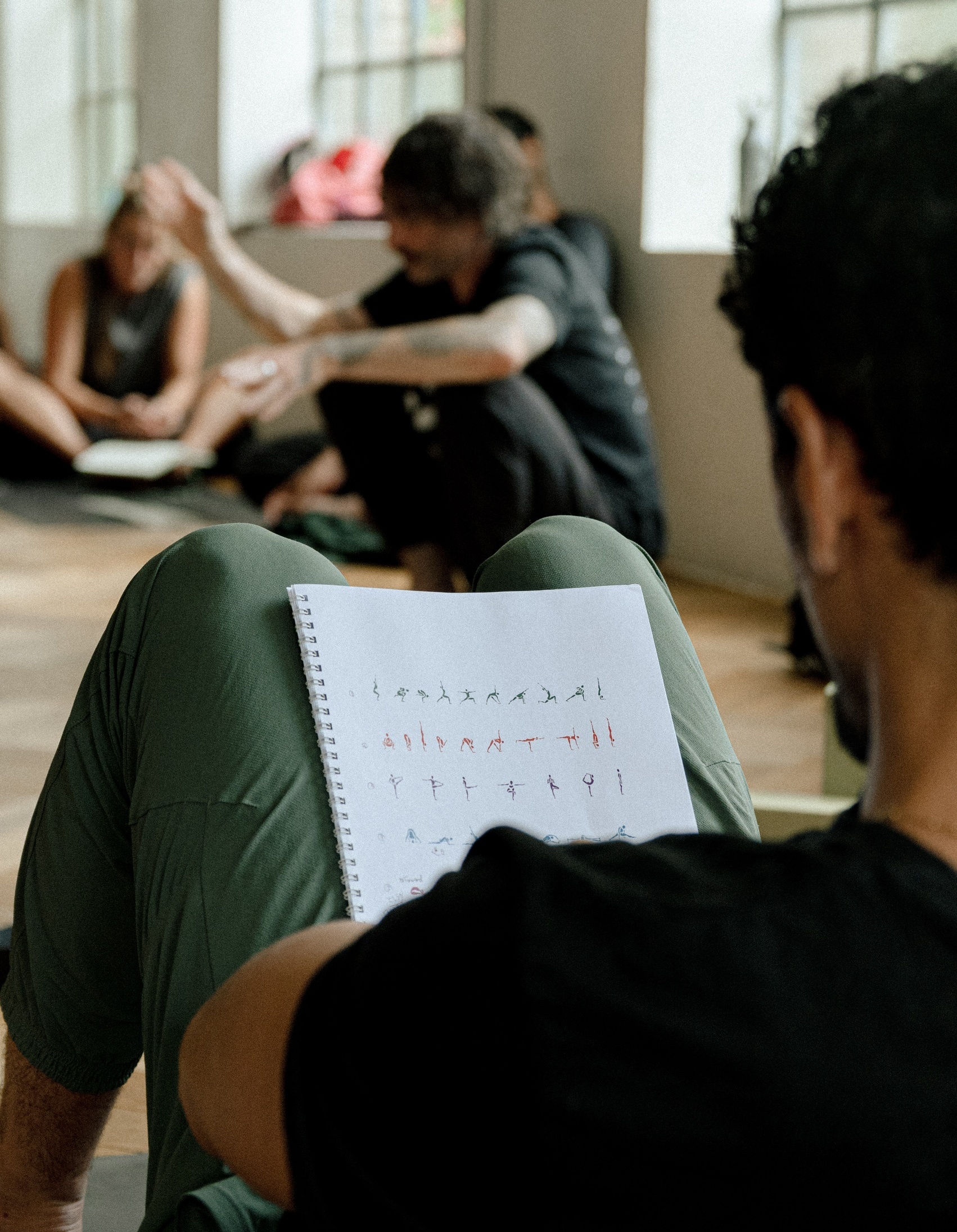
Throughout the training, you will build your knowledge and ability to create a safe, effective, and purposeful yoga class. You’ll cover key alignment principles, posture modifications and how to cue clearly for diverse student needs. You’ll learn how to use the sequence to teach themes, peak poses, or specific outcomes while ensuring progression and balance. By the end of this training, you’ll be able to confidently deliver intelligent, inclusive classes that support each student’s individual journey.


History and Philosophy of Yoga
What is yoga? Where did it come from? Gain a foundational understanding of yoga’s rich cultural and spiritual roots. Explore key texts such as the Yoga Sutras of Patanjali and the Bhagavad Gita, and gain insight into core concepts like the Eight Limbs of Yoga, karma, dharma and liberation. You’ll trace yoga’s evolution from ancient India to its global presence today, highlighting key figures and movements. Through reflection and discussion, you will learn how to integrate yogic philosophy into modern teaching and your own personal practice, fostering a deeper connection to yoga as a holistic path of self-awareness and transformation.


Teaching Yoga
Explore the ethical foundations of teaching yoga, emphasising integrity, responsibility, and self-awareness in the role of the teacher. Key topics include setting clear boundaries, cultivating mutual respect, and maintaining professionalism in teacher-student relationships. You’ll look at power dynamics, cultural appropriation, and the importance of honouring yoga’s roots while teaching in diverse, contemporary settings. You’ll look at what’s commonly referred to as “the business of yoga” and how to navigate life as a newly-qualified yoga teacher — where to get a job, and how to get it. You’ll look at use of social media as a marketing platform and how to use it to build your classes. Throughout the training in every module, you’ll also practise teaching your fellow trainees.


Anatomy and Physiology
This training will give you a foundational understanding of anatomy and physiology in order to support safe, informed, and effective yoga teaching. Trainees will explore the major systems of the body—particularly the musculoskeletal, respiratory, and nervous systems—and how they relate to movement, breath, and stillness in yoga practice. Emphasis is placed on functional anatomy, helping you understand how different bodies move and how to recognise and accommodate individual variations in range of motion, joint stucture, and muscular engagement. Key topics include common injuries and how to avoid them, and the biomechanics of key asana.


Accessibility and Inclusivity
What makes a yoga class accessible and/or inclusive and how can you ensure that you create this type of environment for your students? Explore how to create inclusive, accessible yoga spaces that welcome and support students of all abilities, backgrounds, body types, and identities. Trainees will examine the social and structural barriers that can limit access to yoga and learn strategies to foster a more equitable practice environment. You’ll learn practical tools for adapting poses, how to sequence inclusive classes, and use language that is empowering, non-assumptive, and trauma-informed. By the end of the training, you’ll be better prepared to hold space for diverse communities, making yoga a more welcoming and transformative practice for everyone, regardless of their unique circumstances or identity.


The Art of Adjustments
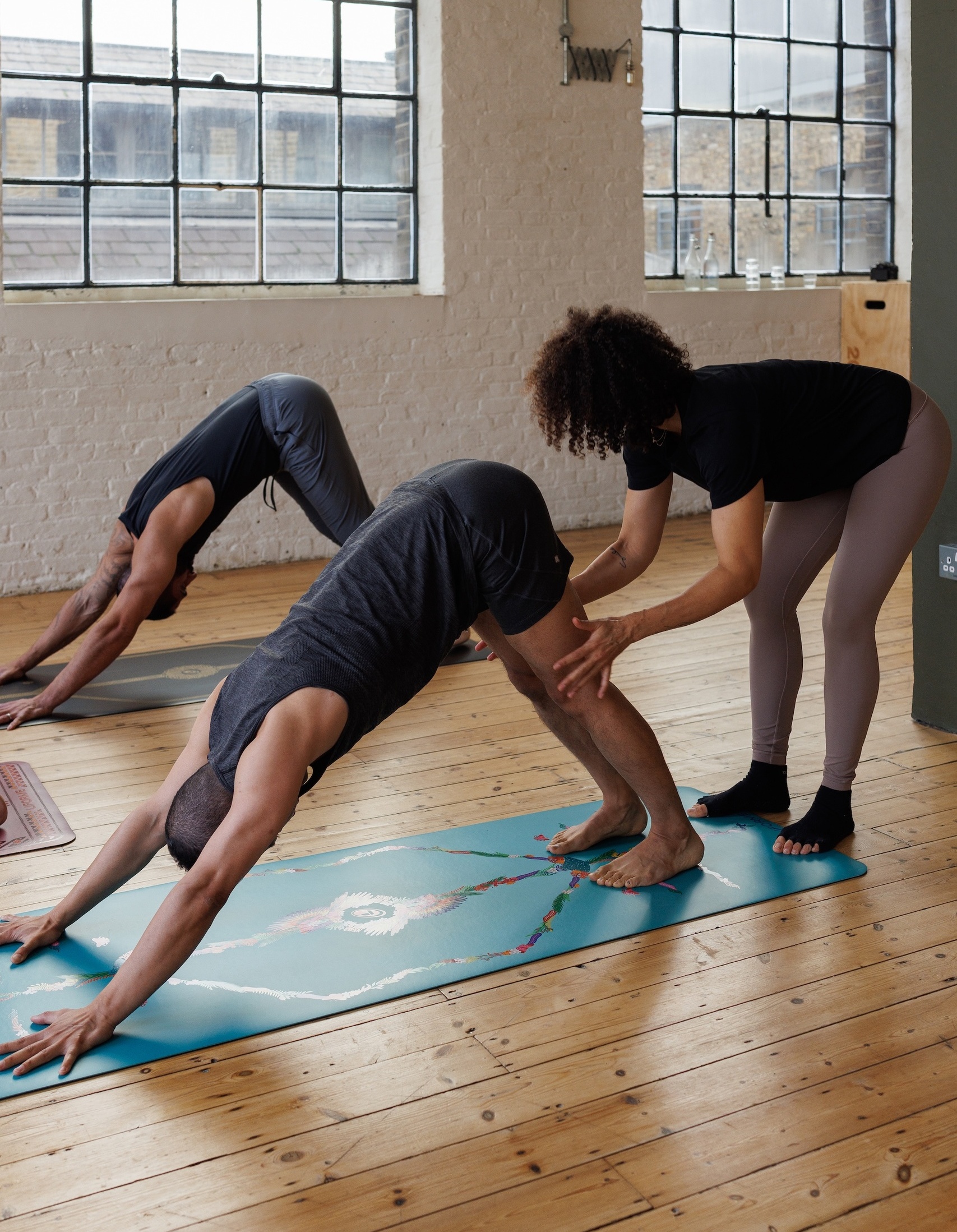
Learn the principles and practices of offering safe, respectful and effective adjustments. Trainees will learn how to assess when an adjustment is appropriate and how to support students in deepening their practice without causing discomfort or injury. You’ll learn clear communication, consent and how to cultivate trust between teacher and student. You’ll learn how to use verbal, visual and tactile cues to guide students, and offer adjustments with confidence, sensitivity and with a clear intention to serve the student’s practice. Ethical considerations are deeply integrated with a strong focus on honouring each student’s autonomy and bodily sovereignty.

Course Structure

  • Module 1 is taught in London in a six-day long immersion led by Marcus and Corrie.
  • Modules 2-9 are held on Fridays 18:30 – 20:30 (online), on Saturdays and Sundays 10:00 – 19:00 (at Mission in East London.)
  • Attendance is required in every module.


Module 1 – April 12th – 17th
Module 2 – May 14th – 17th
Module 3 – June 25th – 27th
Module 4 – July 16th – 18th
Module 5 – August 20th – 22nd
Module 6 – September 3rd – 5th
Module 7 – October 8th – 10th
Module 8 – November 5th – 7th
Module 9 – December 3rd – 5th


A typical weekend of training will look like this:

Friday
18:30 – 20:30 Online – lecture and sequence practice


Saturday
10:00 – 11:45 Practice (4BEAT public class at Mission with Marcus)
12:00 – 13:15 Discussion – Philosophy and history of yoga
13:15 – 14:45 Lunchbreak
14:45 – 16:15 Discussion – Asana, alignment and teaching methodology
16:30 – 18:00 Teaching practice
18:00 – 19:00 Practice (with a focus on a style or methodology: Ashtanga, Rocket, Beginners, Modifying the practice)


Sunday
10:30 – 12:30 Practice (Led Primary Series with Corrie)
13:30 – 14:30 Lunchbreak
14:30 – 15:30 Philosophy and history of yoga
15:30 – 17:00 Discussion – Asana, alignment and teaching methodology
17:00 – 19:00 Practice (Restorative or Pranayama)

Learning Outcomes

After this training, you’ll come away with a solid understanding of how to:

  • Teach functionally solid vinyasa yoga classes to the beat of the music to all levels of practitioners with authenticity and confidence
  • Understand the classical alignment (actions) in key asana and how to apply these to your students and yourself
  • Understand functional anatomy as it is applied to yoga asana
  • Understand potential modifications and adjustments for key asana and apply these to your practice and that of your students as needed
  • Develop your own self practice
  • Understand the theory and practice of teaching accessible yoga
  • Attain a broad overview of the history and philosophy of vinyasa yoga from the Vedas all the way to the present day
  • Gain an understanding of breathing related theories and practices and teach simple breathwork.
  • The ability to hit the (hard, London) ground running as a yoga teacher and make a success of this career regardless of whether it is as your passionate side hustle or a full life change.


Trainees who show promise and demonstrate the requisite skills and abilities can participate in the assistants’ program, giving them opportunities to observe, assist and continue their learning with the teaching team.

Trainees will also be given the opportunity to teach in the Graduates Class at Mission, gaining invaluable real-world teaching experience within one of Europe’s most respected yoga communities.

Teaching Team

Marcus Veda
Like many others, Marcus came to yoga for the physical fix, but soon found the magic went deeper. With a degree in philosophy he had spent most of his 20s exploring the good life as one half of the Loose Cannons band/DJs, remixing, recording and touring the world.


Football had been his first love but the union of mind and body came through martial arts. He was enchanted by the tradition and self-discipline of ninjutsu, but he found a spiritual connection to the freedom and flow of Brazilian Jiu-Jitsu. Yoga arrived much later as an attempt to recover from lingering injuries that weren’t healing like they used to. And then it took over everything.


Marcus’ first Rocket class (and teacher training) was with The Yoga People. They later introduced him to Yin Yoga, as an antidote to the up & up of Rocket (and the yang of daily London life.) With that came a deepening appreciation of meditation, stillness of mind and yoga beyond the asanas that originally got him hooked. Marcus went on to advanced trainings with David Swenson, David Kyle and Jason Crandell (earning his Yoga Alliance E-RYT 500… before realising how pointless that accreditation really is.) The final piece of the asana puzzle came through practising Iyengar, which taught Marcus what he was actually doing in the individual poses. 4BEAT blossomed out of all of this around 2015 and is growing by the day.


Corrie Ananda

Corrie has completed the Primary, Intermediate and Advanced A sequences of the Ashtanga Yoga method, and is in the process of unravelling Advanced B. She received level II authorisation to teach the Ashtanga Yoga method by Sharath Jois in Mysore India in 2014. She is committed to deconstructing harmful power dynamics and breaking away from hierarchical systems of power.


Corrie’s teaching approach is inclusive and evolutionary, focused on the individual. She is intrigued by the connections between the physical/psychological/emotional body and yoga as somatic therapy.


Corrie is a certified FRC Mobility Specialist®, supporting sustainable, longterm practice. Furthermore, she received her M.A. in the Traditions of Yoga and Meditation in 2017 (SOAS) and is also a certified Existential Psychotherapist. Corrie is currently completing her doctoral thesis, The Meaning of Movement, exploring the relationship between movement, meaning and transformation.


Emily Mergaert

Emily, who moved to London from Canada in 2009, discovered her love for yoga while working as a makeup artist in the fashion industry. Yoga counterbalanced the long days working on shows for designers such as Yves Saint Laurent and Dior as well as shooting editorials for Vogue and Harper’s Bazaar.


Her curiosity in the practice led Emily to a 200hr Ashtanga Vinyasa & Rocket teacher training in Goa with The Yoga People in 2015 and then to Mandala Vinyasa, Rocket and more trainings with teachers such as David Kyle and Ambra Vallo. Firstly falling for Rocket Yoga, and then moving into the realms of handstands and inversions, Emily is continually learning more and more about the nuance of hand balance and functional anatomy. She uses this knowledge in her regular 4BEAT yoga classes, creating an inclusive environment, as well as her specialist inversions and handstand classes at Mission.


To balance out all the yang Emily has also studied yin and functional anatomy extensively, first with Jamie Clarke, and then with Paul Grilley and Bernie Clark (who Emily continues to learn under). She also hosts Yin Teacher Trainings at Mission.

Pre-requisites

There are no practice pre-requisites for this course. If you are committed to attending the in-person sessions, and are prepared to engage sincerely and wholeheartedly with the independent study we assign, we warmly welcome you to join us.


That said, it’s important to understand that this course will be demanding. Yoga is a path of liberation, and its true aim is transformation—a process that requires dedication, discipline, and consistent effort. Before committing, please reflect honestly on your readiness to embrace this challenge and fully invest in the journey ahead.

Completion Requirements

Practice

  • Over the course of the training we will be asking you to practice in at least 30 Mission classes with the teachers on this course and other Mission teachers.
  • Students can practise with faculty teachers free of charge twice a week during the course of the training (classes cannot be rolled over). Students must also start to develop a self-practice during the training.


Teaching Assessment

  • On the last weekend of the course each trainee will need to teach a full 75-minute practice to their fellow trainees and will be assessed on this by the teaching team.
  • Trainees who wish to receive a teaching certification at the end of the training must teach this practice well enough that they would be able to step into any studio in London on the same day and teach a well received vinyasa practice to the students there.


Exams 

  • Two written tests will be given to the trainees over the course.
  • Both of these will need to be passed.


Long form writing

  • Trainees must write a 2.000 word philosophy and ethics essay and submit it to the faculty for marking in order to graduate.


Attendance

  • We ask that trainees attend all modules in person. Any extremely exceptional requests to miss a module must be made up with the tutor and at the trainee’s expense.

Mission Accreditation

Mission ensures a high quality, safe, inclusive, accessible and equitable yoga and movement training.


For 25 years, accrediting bodies in the UK and the US have kept a stranglehold on studios and teachers who have felt they have had no choice but to register their trainings with these bodies. Distant, uninvolved and self-appointed organisations are not the sole determinants of the quality of a training.


Mission and the teachers of this training are the best at what we do and uphold the highest standards in teaching and practice. We do not see the sense in paying for a stamp from an outside organisation that holds no more authority and knowledge than we do.


Upon graduation, any studio you seek to teach in will recognise the gold standard that is Mission’s 200-hour training. When a studio looks at a potential teacher’s resume, they look at where you trained and with whom you trained. Those in the know do not look at accreditation stamps on a certificate. Insurance companies will insure you to teach with our 200-hour training.


You will receive the Mission accreditation upon successful completion of this training.  

What You Need to Know