Yoga for Cancer: a 3-day Immersion
14th – 16th September, 2026
9.15am – 5.15pm
£400 for Immmersion (£150 for each day)

This 3-day immersion is open to yoga students, qualified or accredited teachers of yoga, or therapists with a committed yoga practice.

Yoga for Breast Cancer

Day One

To support anyone working with people living with breast cancer. Evidence based practices that focus on the effects of surgery, lymphatic health and radiation side effects.


9.15am: Introductions. Chest focused practice to mobilise the chest, shoulders and thoracic spine, using breath to breathe into guarded areas and help to increase range of motion10.15am: The C word, myths and assumptions

11am: Breast Cancer, the stress and “scanxiety” of diagnostic tests
11.30am: Treatment for Breast Cancer Surgery, Chemotheapy, Radiotherapy and Hormone therapies and side effects of treatment
12.30pm: Anatomy of the chest and shoulder, rotator cuff, scar tissue and restrictions and common side effects of cording, reduced ROM and pain

2pm: Understanding the lymphatic system, how to support and stimulate and release tension that might act like a gate. Looking at contraindications and red flags
3pm: Radiation Fibrosis movement through radiotherapy and beyond. What is radiation fibrosis and how it can present as a long-term side effect after treatment
4pm: Other Common side effects; Questions and reflections

Yoga for Gynae, Bowel and Prostate Focus

Day Two

Developing confidence in teaching yoga practices that support pelvic health, core strength and dignity after cancer treatment.


9.15am: Introductions and practice. Core and pelvis focused practice, adapting to find an inclusive practice post-surgery, taking into account fatigue and pain1.

11am: Treatment for Gynae, Bowel and Prostate cancer Surgery, Chemotherapy, radiotherapy and hormone therapy and common side effects incontinence, sexual dysfunction, pain and fatigue. When and where to sign post students.
12pm: Anatomy of the pelvis and the pelvic floor the relationship between breath, posture and digestion.

2pm Trauma and the pelvic floor – Hypertonic vs hypotonic. Practices that can empower and support daily life.
3pm: Living with a stoma how to support the core and build strength., reducing the risk of hernias. Building trust in a changing body and learning tools to empower.6
4pm: Other Common side effects; Questions and reflections

Secondary Cancer: Long Term Side Effects and the Role of Yoga

Day Three

Supporting you to work safely and compassionately with the long-term side effects of cancer and people living with secondary cancers and chronic treatment-related side effects.


9.15am: What are the long-term side effects of treatment for cancer
10.15am: Safe practice for strengthening muscles and protecting bones – finding strength without strain. Fall prevention and balance and how to adapt poses

11.15am: Muscles atrophy from inactivity and treatment. Cancer related fatigue and how rest, fear and deconditioning interact
12pm: How might Peripheral Neuropathy, Chemo Brain, Joint Pain and medical menopause show up in classes and how we can provide support

2pm: Koshas and healing. How yoga can help people continue with life saving medications, create meaning and purpose
2.30pm: The No Fixing holding of space. Classes with compassion, listening and how to support ourselves as teachers
3.30pm: The spectrum that is secondary cancer. Helping students to live emphasis on “live” with cancer and its side effects.
4pm: Mudras, Mantras, Meditation and more. Is there ever a time we can’t be doing yoga?
4.45pm: Questions and reflections

Your Teacher

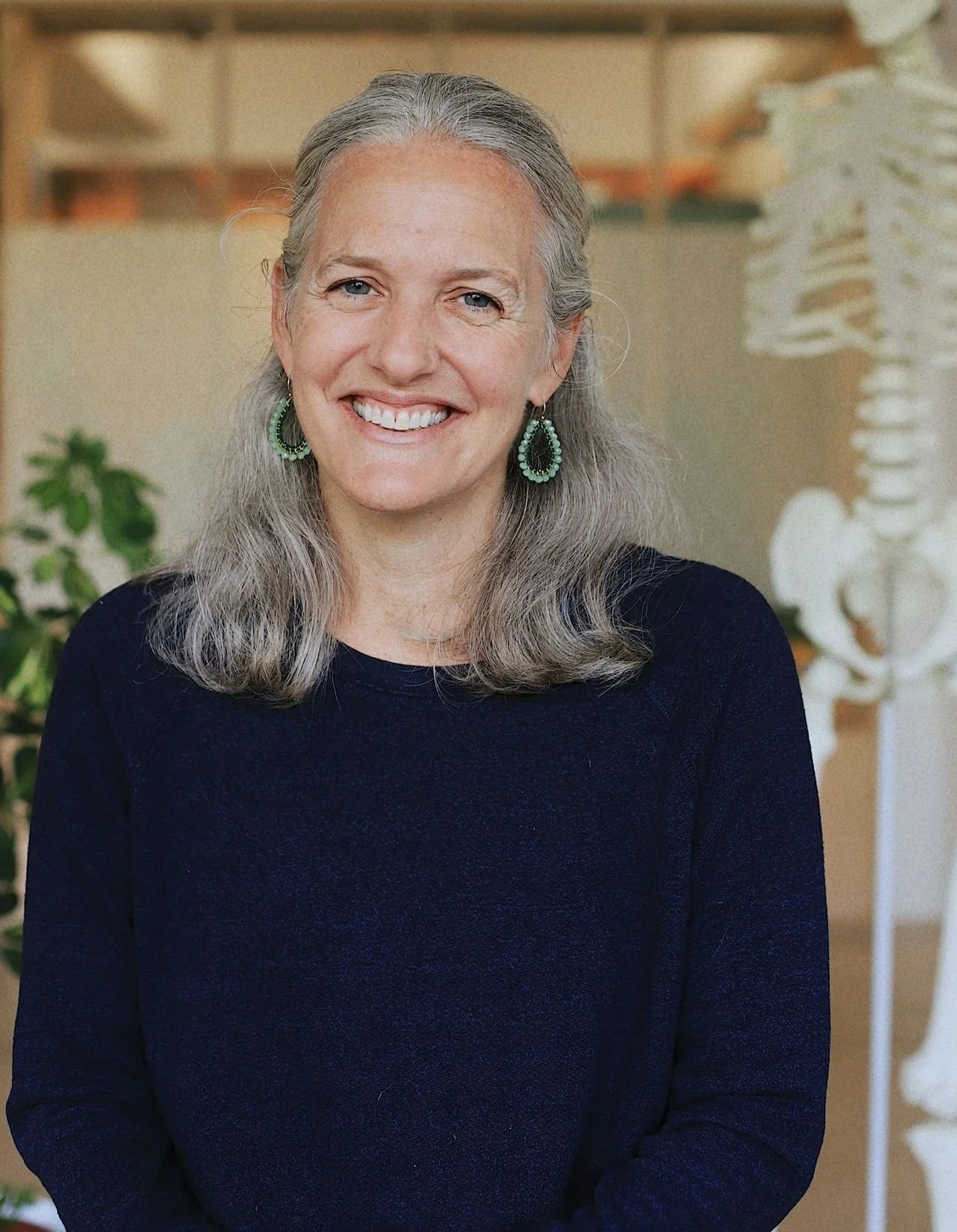
Vicky Fox
Vicky’s teaching style is based around her own varied experience of yoga and through that has created a physically challenging class developing strength and suppleness while emphasising alignment and precision. All the time believing that yoga should be an individual and safe practice. Vicky works with cancer charities, teaches classes at Future Dreams House and works closely with National Centre of Integrative Oncology (NCIO). She is also teaches applied anatomy on Carolyn Cowan’s teacher training course.