Handstand Training Level 2
15th – 19th October, 2026
£999


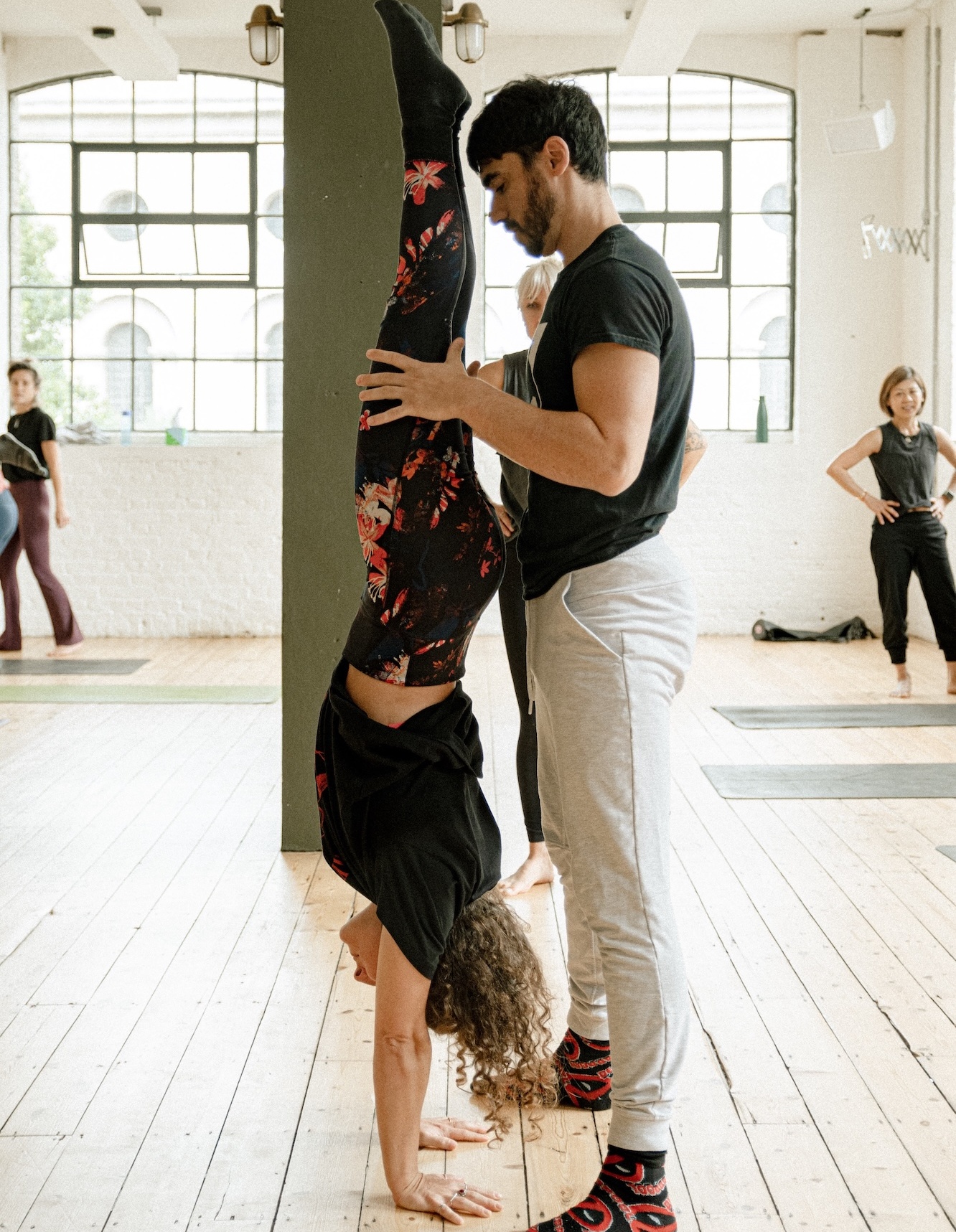
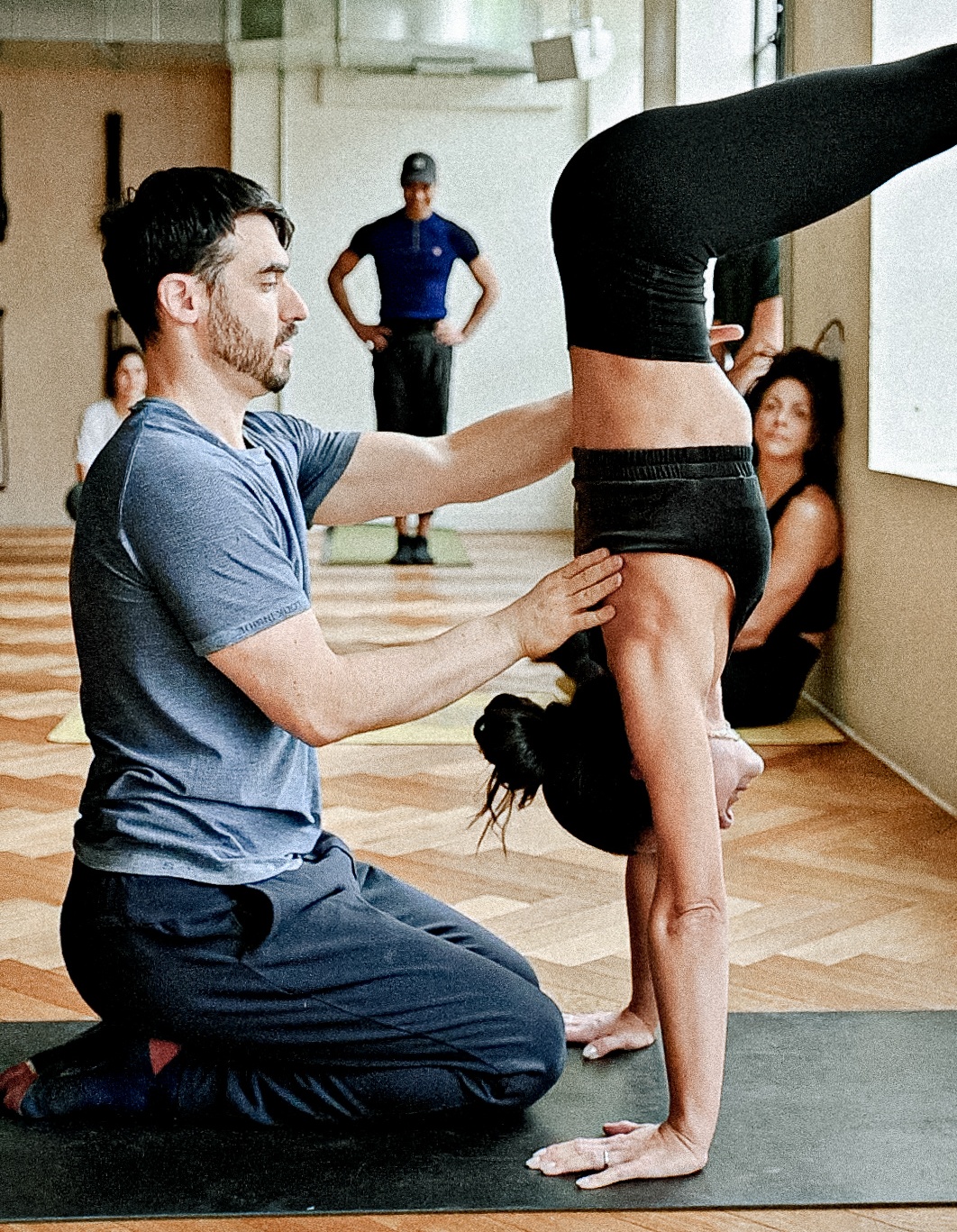
In this five-day training with Sammy Dinneen, you will learn how to teach jump to tuck, straddle, and pike entries and how to teach the transitions between these shapes.


This training is open to those who have completed Sammy’s Level 1 training. In order to provide maximum attention, this training is restricted to a small group.

Course Content

After completing Level 1, you’ve gained a strong foundation in the art of teaching handstands. You’ve learnt how to assess your clients’ strength and flexibility, how to guide their straight-line handstand, and which exercises support their kick to handstand. You understand safe and effective spotting techniques, and you know how to teach through physical, verbal, and mental guidance.


Level 2 takes your teaching to the next level. In this course, you will learn how to teach jump to tuck, straddle, and pike entries and how to teach the transitions between these shapes.


We will explore questions such as:

  • How do the hips shift in relation to the shoulders and feet when moving from tuck to straight?
  • Which muscles control the transition from straight to straddle?
  • What common errors arise when someone has too much shoulder flexibility?


By the end of this course, you’ll be able to see these patterns in your students and confidently identify what needs to be corrected, verbally, physically, and through targeted exercises.


This training is not about memorising drills. It’s about understanding them: the purpose behind each exercise, how to communicate that purpose, and how to adapt drills to meet your students exactly where they are.


You won’t just learn how to teach someone to jump into tuck. You will develop a comprehensive understanding of tuck, straddle and pike alignment, technique, balance, progressions, and teaching methodology.


You will also learn how to create class plans for varied real-world scenarios—for example:

  • A class where most students lack shoulder stability.
  • A class full of students with limited shoulder flexibility.
  • A mixed-level class with 20 highly flexible students and 2 with tight shoulders.


How do you modify? Do you change the drills, or the intention behind them? How do you recognise what each student needs, and how do you adapt the class so everyone progresses?


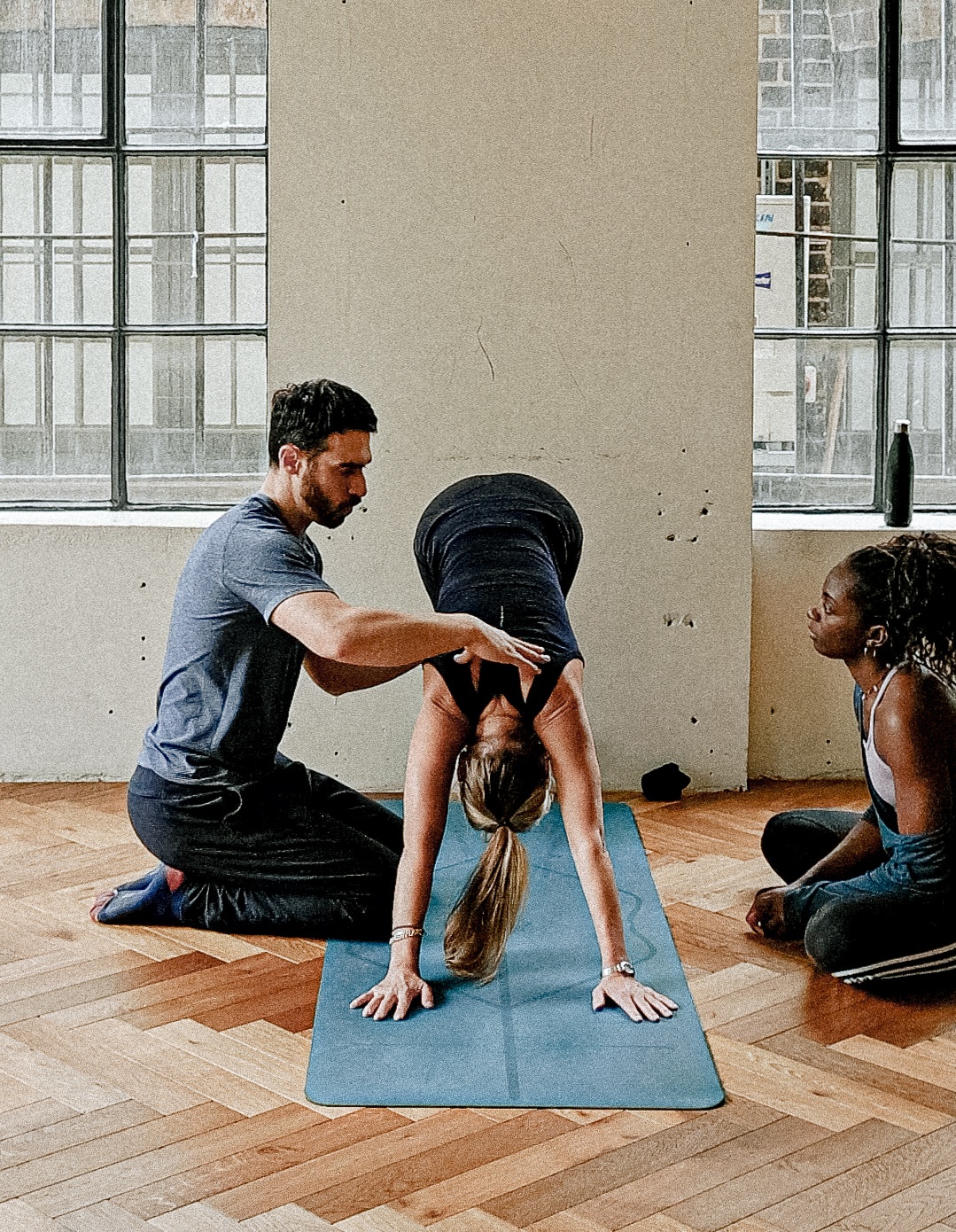
Additionally, we will look at handstands in a yoga context, where entries come from many different positions. You’ll learn how these entry points affect technique and how to choose the right exercises whether the entry is from Downward Dog, Prasarita, or any other posture.

Learning Outcomes

  • Teach – Learn how to teach a jump to tuck, straddle, and pike, and how to coach seamless transitions between these shapes for students of any level. You’ll understand how to break skills down into smaller components, offer clear progressions, and select the right exercises for each individual.


  • Alignment – Understand the alignment principles for tuck, straddle, and pike. Learn to identify what is preventing a student from achieving optimal technique and how to help them move forward.


  • Pathway – Gain a complete understanding of the correct pathways for entries and transitions, not just how they look, but how they work.


  • Assess – Learn how to assess your students effectively. Recognise whether a barrier to handstand is fear, flexibility, strength, or understanding, and know which progressions will best support their growth.


  • Balance – Deepen your understanding of underbalance and overbalance, how they are created and how to correct them. Learn how to teach balance in a way that empowers your students to self-correct.


  • Spotting – Master safe, confident spotting techniques that help your students feel supported and progress more quickly when working on transitions.


  • Flexibility – Learn the flexibility requirements for the tuck (thoracic spine), straddle (pancake and box splits), and pike (hamstrings), and discover the most effective exercises based on body type and mindset.


  • Strength and power – Understand the strength demands of each shape and entry. Learn which exercises develop strength and power and how to progress them appropriately.


  • Falling – Learn how to teach and spot falling techniques, and how to support students mentally as they build confidence in exiting safely.

Your Teacher

Sammy Dinneen

Sammy is one of Mission’s premier handstand teachers, teaching sold-out classes and courses. He is a professional handstand artist, and international circus performer who has helped thousands get comfortable going upside down no matter their age, ability, or background. He has trained circus performers and athletes, but specialises in helping total beginners release the fear of going upside down. 


Eligibility & Schedule

This training is open to anyone who has completed Sammy’s Level 1 handstand training.


You will receive a certificate for attending the 40hr TT once Sammy has assessed you during the course.


Thursday, Friday & Monday

9.30am – 5.30pm

Saturday & Sunday

12.15 – 8.15pm